The HPP food processing uses high water pressure to reduce harmful microorganisms in packaged foods and beverages. This technology helps preserve the freshness, safety, and flavor of food. However, the effectiveness of the process depends on various factors, including processing pressure, holding time, food composition, and packaging materials.
Understanding these factors helps food manufacturers select appropriate processing parameters and enhance food safety. This article outlines nine key factors influencing HPP processing.
HPP means High-Pressure Processing. It involves subjecting packaged food to high pressure, typically at low to moderate temperatures. Unlike traditional thermal processing, HPP effectively reduces a wide range of harmful microorganisms and minimizes the impact on heat-sensitive nutrients, flavor, and color.
Food manufacturers apply HPP technology to products such as fruit juices, meat, seafood, dairy, and ready-to-eat meals. The process helps extend shelf life and maintain product freshness.
However, HPP does not eliminate all microorganisms under all conditions. Bacterial spores may survive conventional low-temperature HPP treatments. Therefore, manufacturers must assess food safety risks and validate the processing method for each specific product.
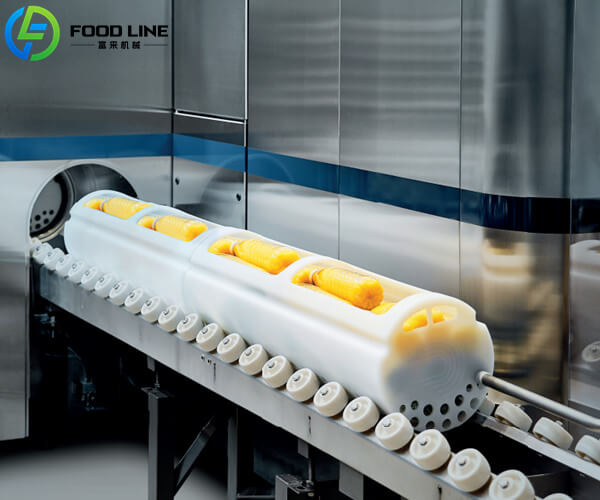
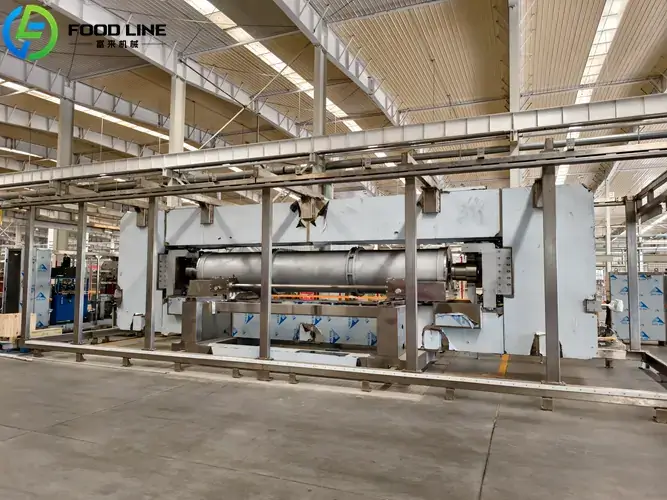
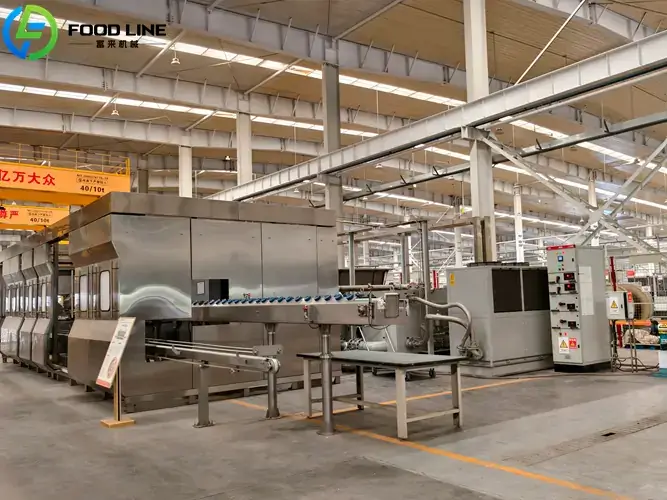
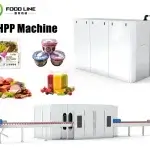
industrial hpp machine for jucie beverage production
9 Factors Affecting High Pressure Food Processing
1. Processing Pressure
Pressure is the core element of HPP food processing. Most food processing facilities operate HPP systems at pressures between 400 and 600 MPa.
Lower pressures may fail to kill all target microorganisms. Higher pressures are more effective at killing bacterial vegetative cells, yeasts, and molds. It is important to note that bacterial spores are highly pressure-resistant. Simply increasing pressure does not necessarily guarantee commercial sterility.
2. Holding Time
Holding time refers to the duration the food is maintained at the target pressure. This time does not include the time required for pressure build-up or release.
If the holding time is too short, the target sterilization level may not be achieved.
Although a longer holding time can kill more microorganisms, it slows down production and increases costs.
Juices, cooked meats, and dairy products each require different holding times. Therefore, never apply a single set of parameters directly to all products.
3. Processing Temperature
Temperature affects the sensitivity of microorganisms to high pressure.
In some cases, a moderate increase in temperature can improve microbial kill rate.
High temperatures may impair texture and flavor.
Please also note: Pressure causes a slight increase in temperature due to compression. Low-temperature HPP is distinct from pressure-assisted thermal sterilization. If the goal is to kill spores, a combination of pressure and heat is required.
4. Food pH
Acidity plays a significant role in how microorganisms respond to HPP.
Acidic foods, such as fruit juices, are more easily inactivated.
Low-acid foods, such as meat, seafood, and certain dairy products, face a higher risk from pressure-resistant microorganisms and spores.
Formulation changes that alter the pH may affect processing efficacy. Therefore, testing each formulation is essential.
5. Food Composition
The components in food can affect microbial tolerance.
Fats can protect certain microorganisms from the effects of pressure.
High sugar or salt content alters microbial response.
Proteins and other solid components also influence the effectiveness of the pressure treatment.
Low water activity can make microorganisms more difficult to eliminate.
Two products treated under identical conditions may yield vastly different results.
6. Microbial Type and Initial Load
Different microorganisms respond differently to pressure.
Most vegetative bacteria are sensitive to HPP.
Yeasts and molds are generally easy to control.
Spores can withstand low-temperature HPP treatment. Clostridium botulinum is a major safety hazard in low-acid foods.
Higher initial microbial loads make it more difficult to achieve low final counts.
7. Packaging Materials and Design
Food must be sealed prior to HPP food processing, so the HPP packaging must withstand the pressure.
Packaging materials that can withstand both pressurization and depressurization should be selected.
Flexible packaging works best because it has the ability to contract and recover.
A good seal prevents recontamination after processing.
Excessive air inside the package increases the risk of food damage.
Improper packaging selection can lead to leakage, seal failure, and a shortened shelf life.
8. Physical State and Product Structure
The form of a food product affects how pressure acts within it.
Liquid foods, such as fruit juices, are easy to process.
For solid foods, such as ham, attention must be paid to their size, shape, and microbial distribution.
For solid-liquid mixtures, all ingredients must be tested.
Gases present in the product or packaging increase the risk of deformation.
9. Raw Material Quality and Hygiene
HPP technology is not a substitute for Good Hygienic Practices (GHP).
Fresh raw materials with low microbial counts yield better treatment results.
Cross-contamination prior to HPP food processing increases the initial contamination load.
Damage to packaging after processing can lead to new contamination.
Poor cold chain control can cause surviving microorganisms to multiply again.
HPP processing should be combined with clean raw materials, strict hygiene measures, sealed packaging, and proper refrigerated storage.
How to Select Appropriate HPP Food Processing Parameters
Selecting the right HPP parameters involves more than just determining the pressure level. Food manufacturers should also consider product characteristics, safety objectives, and production conditions.
Identify target microorganisms. Determine the primary microbial hazards and the required reduction levels.
Evaluate the food and packaging. Examine the pH, formulation, fat and sugar content, physical structure, and packaging compatibility.
Select initial parameters. Choose appropriate pressure, holding time, and processing temperature for the product.
Conduct product trials. Test different parameter combinations to determine the appropriate processing conditions.
Validate the process. Under relevant production and storage conditions, confirm microbial reduction, product quality, package integrity, and shelf life.
1. What pressure levels are typically used in HPP food processing?
Many commercial HPP applications use pressures ranging from 400 to 600 MPa.
2. Can HPP kill all bacteria and spores?
No. HPP can inactivate many vegetative bacteria, yeasts, and molds, but bacterial spores can survive conventional low-temperature HPP treatment.
3. Which foods can be treated with HPP?
Common applications include fruit juices, smoothies, meat, seafood, dairy products, dips, sauces, and ready-to-eat meals. The products and their packaging must be suitable for high-pressure processing.
4. Does HPP affect food quality?
Because HPP uses less heat than traditional heat treatment processes, it helps preserve the flavor, color, and texture of many foods.
Find the Right HPP Food Processing Machine for Your Production Needs
Foodline supplies HPP machines to food manufacturers and product R&D teams. Our product range caters to a wide spectrum of processing needs, from laboratory trials and product testing to pilot-scale research and commercial production.
Share your processing plans with us, and let’s discuss the right HPP equipment solution for your project.
We use cookies to ensure that we give you the best experience on our website. If you continue to use this site we will assume that you are happy with it.