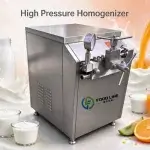
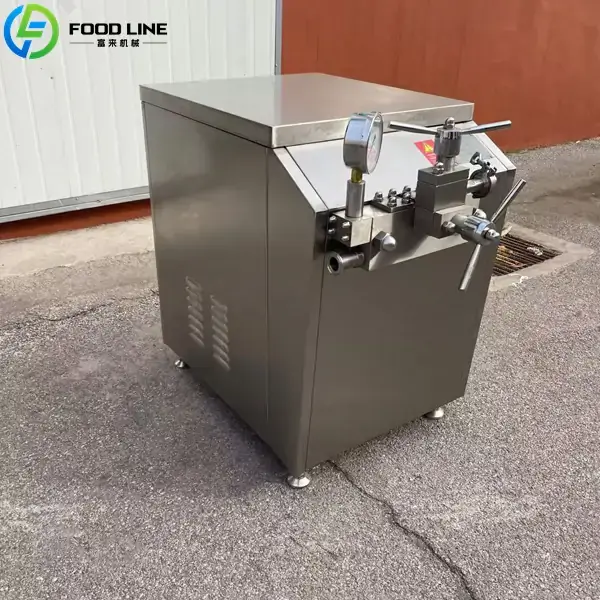
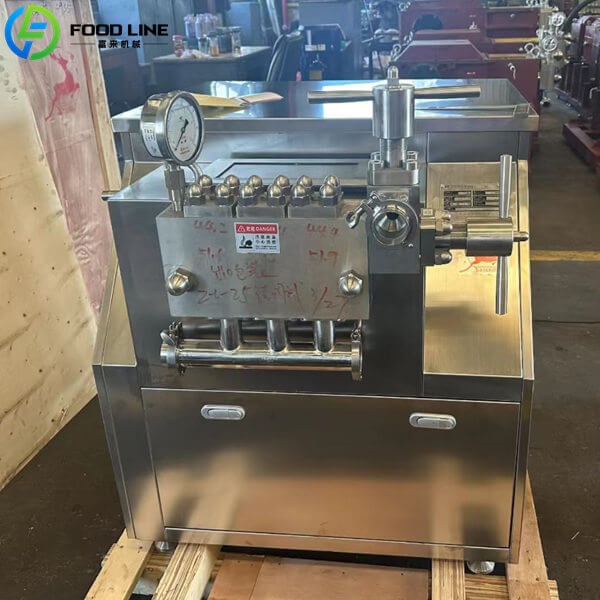
The high pressure homogenizing machine plays a vital role in the production of dairy products, beverages, foods, pharmaceuticals, and cosmetics. It breaks down fat globules and particles into extremely fine sizes, thereby imparting a smooth texture to the final product and extending its shelf life.
Different products and production processes require different equipment. Before purchasing a high-pressure homogenizer, you need to consider several key factors, including production capacity, operating pressure, material characteristics, hygienic design, equipment connections, and maintenance costs.
This guide outlines the key points to consider when selecting high pressure homogenizing machines for your production line.
How to Choose the Right High Pressure Homogenizing Machine for Your Production Line
1. Select the Right Production Capacity
Production capacity is one of the primary factors to consider when purchasing a high pressure homogenizing equipment. You should select equipment based on the volume of material your production line needs to process per hour.
For example, a small dairy plant might only require equipment with lower processing capacity, whereas a large-scale milk processing plant might need equipment capable of processing thousands of liters per hour.
Additionally, you should consider the capacities of other equipment in the production line. The homogenizer needs to be well-matched with storage tanks, heating equipment, pasteurization tanks, and filling systems.
2. Determine the Required Operating Pressure
Operating pressure directly affects the homogenization result. Different products require different pressure levels to achieve the desired particle size and product texture.
For instance, milk homogenization typically employs a pressure range of approximately 20–25 MPa. Other products may require higher pressures to further reduce particle size or improve dispersion.
Before selecting a high pressure homogenizing machine, consider the following factors:
- Product Type: Products such as milk, fruit juice, plant-based beverages, and cosmetic emulsions may require different pressure levels.
- Particle Size: Products requiring finer particles may necessitate higher pressures or additional processing steps.
- Product Stability: The required pressure depends on the desired texture and stability of the final product.
- Process Temperature: Temperature affects viscosity and homogenization efficiency.
Do not select homogenization equipment based solely on maximum pressure ratings. Consult the recommended operating pressure for your product and verify process parameters through testing.
3. Consider Material Properties
Material properties influence the performance of the high pressure homogenizing machine. Consider the following factors before selecting a model:
- Viscosity: High-viscosity liquids may require greater pumping capacity than low-viscosity liquids.
- Fat Content: Milk and cream require appropriate homogenization pressure to reduce fat globule size and improve product texture.
- Solid Particles: Pulp, fibers, and other particulates may require pre-treatment before homogenization.
- Heat Sensitivity: Some products are heat-sensitive. Verify the material’s heat tolerance and consider cooling measures if necessary.
Understanding these properties helps you select the right high pressure homogenizing machine and establish correct process parameters for your product.
4. Check Sanitary Design
Sanitary design is crucial for food and dairy processing. Equipment components that come into contact with the product should be easy to clean thoroughly and help minimize the risk of contamination.
When evaluating high ressure homogenizers, pay attention to the following details:
- Materials of Construction: Check that product-contact parts are made of suitable stainless steel or other food-grade materials.
- Surface Finish: Smooth contact surfaces help reduce product residue and facilitate cleaning.
- Cleaning Methods: Confirm that the equipment supports both manual cleaning and connection to a CIP cleaning system.
- Seals and Connections: Examine the materials and structural design of seals, pipe fittings, and other product-contact components.
- Maintenance Access: Operators should be able to inspect and clean critical components with reasonable effort.
For dairy and beverage plants, the sanitary design of high pressure homogenizing machine must comply with plant cleaning protocols and food safety requirements. Before purchasing equipment, be sure to request detailed material information and cleaning instructions from the supplier.
5. Check Compatibility with Other Equipment
High-pressure homogenizers are typically part of a larger processing line. Before installation, you need to verify connection methods and operational requirements.
For example, in a milk or yogurt production line, the homogenizer may need to connect to storage tanks, preheating systems, pasteurizers, and transfer piping.
Check the following points before purchasing the high pressure homogenizing machine:
- Inlet temperature: Some products require preheating before homogenization. Milk processing typically involves temperatures around 40–60°C, depending on the specific process.
- Piping connections: Check inlet and outlet sizes, connection types, and piping layout.
- Pumping requirements: Confirm that the feed system can deliver material at the required flow rate.
- Electrical requirements: Check voltage, power supply specifications, and motor power.
- Installation space: Measure available floor space and allow sufficient room for operation and maintenance.
If you plan to integrate the homogenization machine into an existing production line, consult the supplier regarding technical specifications. This helps both parties confirm compatibility prior to installation.
6. Evaluate Maintenance Costs and Spare Parts Availability
The purchase price is only one part of the total cost of owning a high pressure homogenizing machine. You should also consider requirements for routine maintenance, spare parts, and after-sales service.
The high pressure homogenizer machine contains components subject to wear during operation; common examples include homogenization valves, seals, and plungers.
Before purchasing, inquire about the following:
- Spare parts pricing: Find out the cost of commonly replaced wear parts.
- Replacement intervals: Ask how operating pressure, processing duration, and material characteristics affect component service life.
- Maintenance procedures: Understand how operators should inspect and replace wear parts.
- Spare parts availability: Confirm that the supplier can provide replacement parts when needed.
- Technical Support: Confirm the type of installation guidance and maintenance assistance the supplier provides.
Regular inspections and the timely replacement of worn parts help maintain the high pressure homogenizing machine in optimal operating condition.
Why Choose the Right High Pressure Homogenizing Machine?
Selecting the right homogenizing equipment involves more than just comparing prices and pressure ratings. Factors such as production capacity, material characteristics, operating pressure, hygienic design, production line compatibility, and maintenance costs all influence the final decision.
Before making a decision, have basic information ready regarding your product, target output, processing temperature, and desired homogenization results. You can then compare equipment specifications and discuss suitable operating parameters with the supplier.
High Pressure Homogenizing Machine from Foodline Machinery
Foodline Machinery supplies food processing equipment to businesses across various sectors. We assist clients in evaluating and selecting the most suitable equipment solutions based on their product characteristics, production capacity, and processing requirements.
If you are planning to purchase a high-pressure homogenizer for milk, fruit juice, beverages, or other liquid products, contact Foodline to discuss your project.