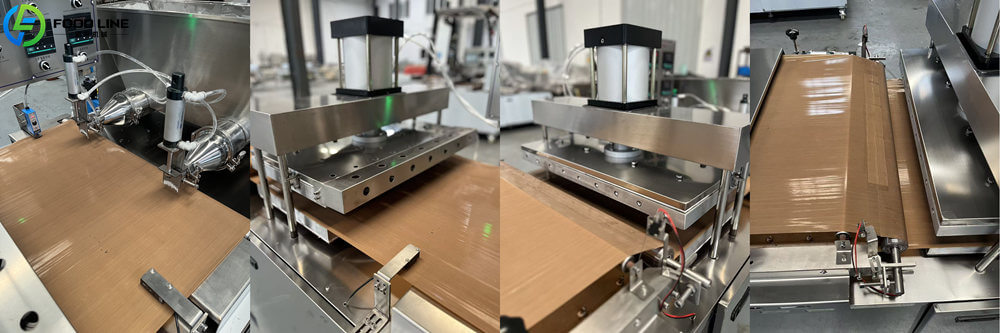
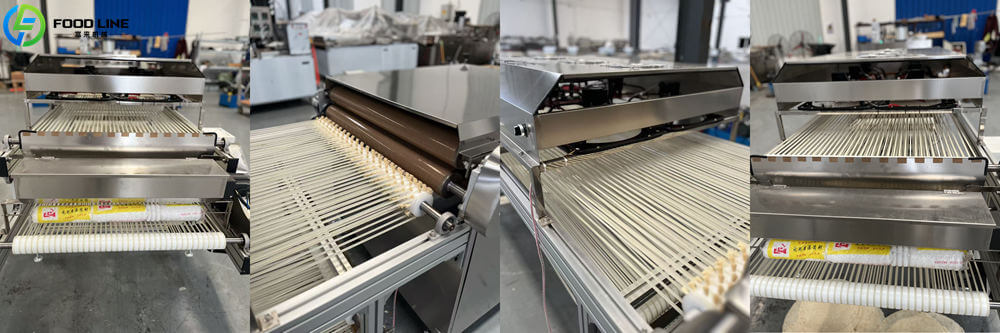
The industrial tortilla maker plays a vital role in modern tortilla production. Food manufacturers require equipment capable of high-volume production while maintaining excellent texture, appearance, and baking performance. Among the many factors influencing production, the heating method is one of the most critical.
The heating system directly impacts tortilla quality, production capacity, operating costs, and equipment maintenance. Electric heating and gas heating are the two most common heating methods for tortilla machines. Each method has its own set of advantages and limitations.
This article compares electric and gas-heated tortilla equipment and explores how each heating method affects tortilla production.
Industrial Tortilla Maker Heating Methods: Electric Heating vs Gas Heating
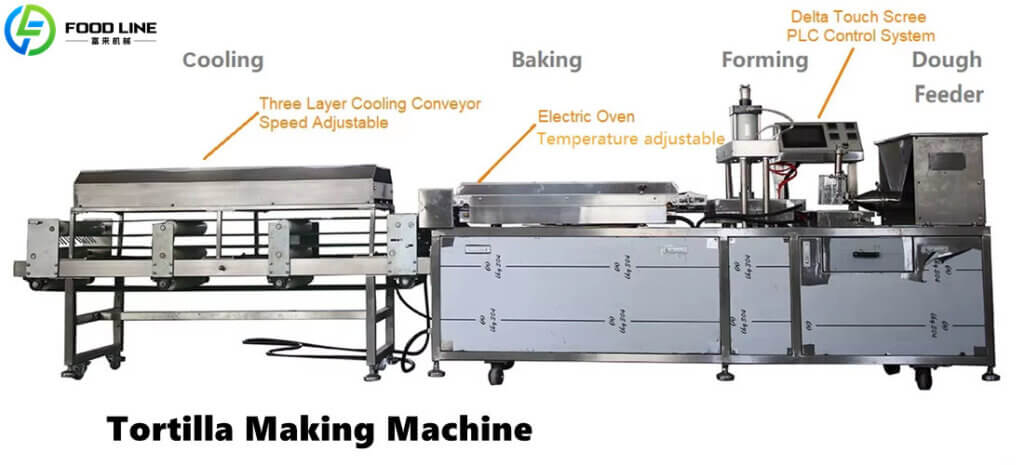
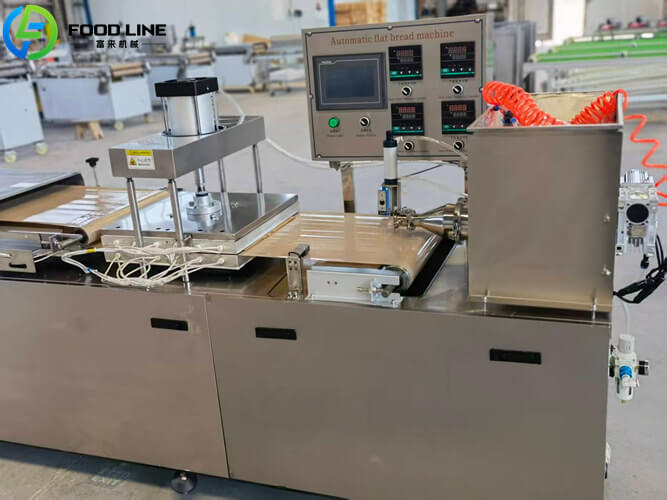
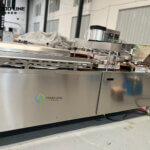
structure of tortilla making equipment for commercial industrial use
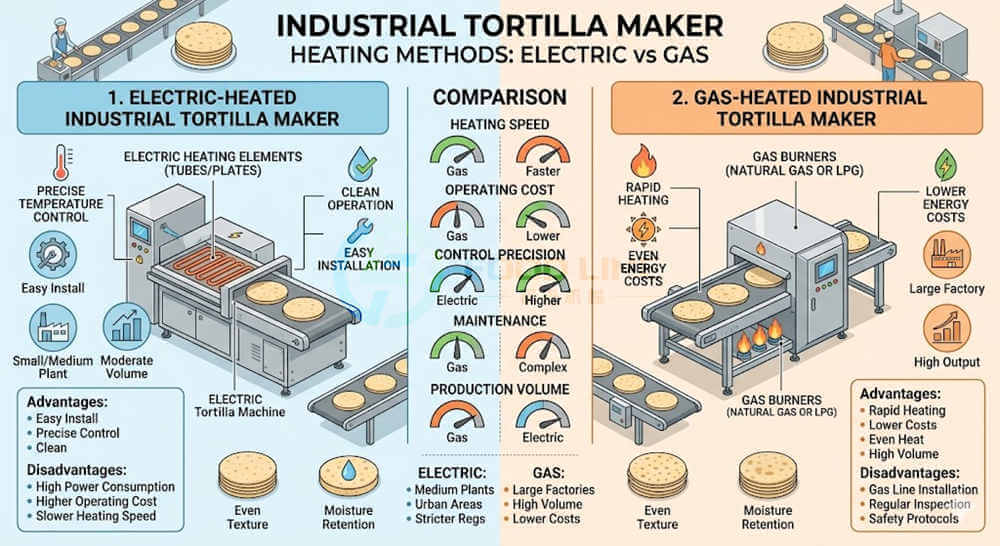
1. Electric-Heated Industrial Tortilla Maker
Electric heating tortilla manufacturing machine utilizes heating tubes, heating plates, or electric heating elements to generate heat within the baking section.
Advantages
Easy to install, especially in facilities with stable electrical infrastructure
Precise temperature control
Clean operation with no combustion emissions
Simple daily operation
Disadvantages
High electricity consumption
Higher operating costs in regions with high electricity prices
Heating speed may be slower than gas systems in certain production environments
Applications
Electric heating tortilla manufacturing machine is commonly used in:
Small to medium-sized food processing plants
Production facilities with strict environmental regulations
Regions with limited natural gas supplies
Plants with moderate production volumes
2. Gas-Heated Industrial Tortilla Maker
Gas-heated tortilla making machine uses natural gas or liquefied petroleum gas (LPG) burners to generate the heat required to bake the tortillas.
Advantages
Rapid heating
Lower energy costs in many regions
Even heating across the baking surface
Suitable for continuous, high-volume production
Disadvantages
May require gas line installation
Gas components require regular inspection
Requires additional safety protocols during operation
Applications
Gas heating tortilla making machine is commonly found in:
Large-scale tortilla factories
High-output production lines
Facilities operating multiple shifts daily
Manufacturing operations seeking to reduce long-term energy costs
Heat distribution directly impacts the appearance and texture of the tortilla.
Electrically heated industrial tortilla maker offers stable temperature control. This helps minimize temperature fluctuations and ensures even baking.
Gas heating can also produce even heat when burners are properly adjusted. However, improper burner maintenance can create hot spots, leading to localized scorching.
Even heating helps maintain consistent tortilla thickness and reduces production defects.
2. Heating Speed and Tortilla Texture
Heating speed influences the final eating experience.
The rapid heating provided by gas systems often results in a slightly charred exterior and a soft interior. Many tortilla manufacturers prefer this baking profile for commercial products.
Slower heating speeds may yield a softer tortilla. However, excessive baking time increases the risk of sticking or moisture loss.
The ideal heating speed depends on the tortilla’s thickness, recipe, and production requirements.
3. Moisture Retention and Humidity Control
Moisture content plays a crucial role in tortilla pliability and shelf life.
Electric heating allows for precise temperature control, helping to manage moisture loss during baking.
Gas heating reaches baking temperatures quickly, thereby reducing the time tortillas spend in the oven. In certain production environments, this helps retain internal moisture.
Regardless of the heating method, proper oven settings, conveyor speeds, and cooling processes are essential.
Industrial Tortilla Maker Machine Heating Methods Affect Production Capacity and Efficiency
Production efficiency is a key priority for tortilla manufacturers. Compared to electric systems, gas heating automatic tortilla machine reaches operating temperatures faster. This helps reduce startup times and increase production output.
For large-scale facilities operating around the clock, gas heating often offers greater economic advantages, as fuel costs are lower than electricity costs in many countries.
While electric heating tortilla manufacturing equipment may entail higher energy costs, it offers benefits such as precise temperature control and ease of installation.
When purchasing an industrial tortilla maker, manufacturers should consider the following factors:
Daily production targets
Local electricity prices
Local gas prices
Facility infrastructure
Available maintenance resources
The best choice depends on the specific operating environment and production goals.
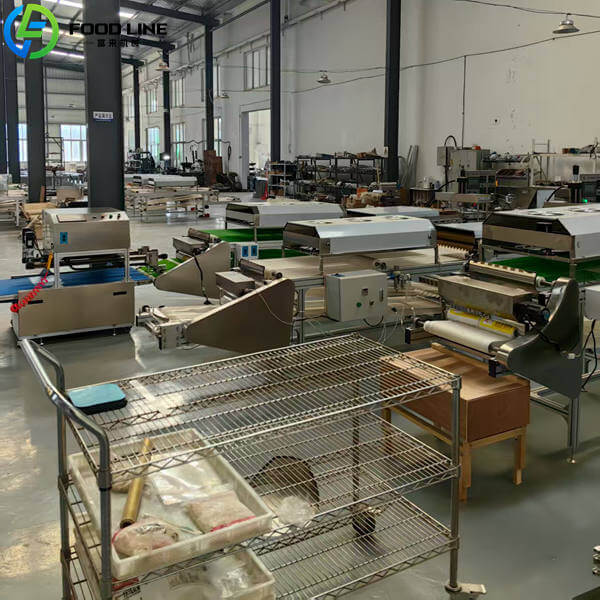
From Factory Floor to Global Markets: Foodline Profile
tortilla manufacturing equipment manufacturer
industrial tortilla equipment manufacturer in china
tortilla production machine supplier
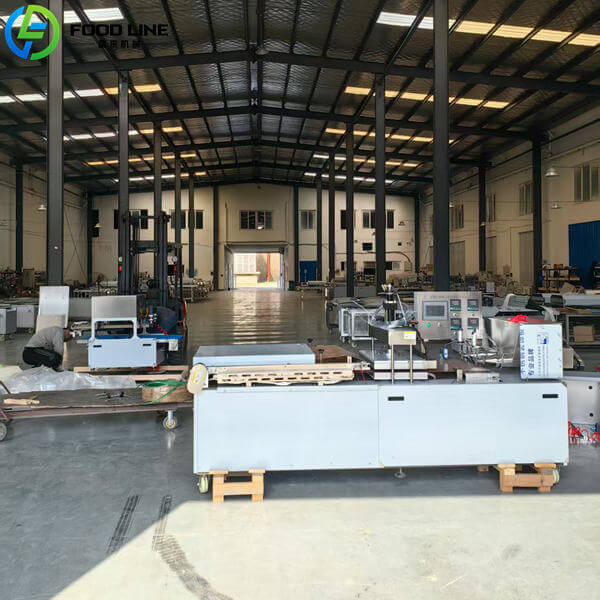
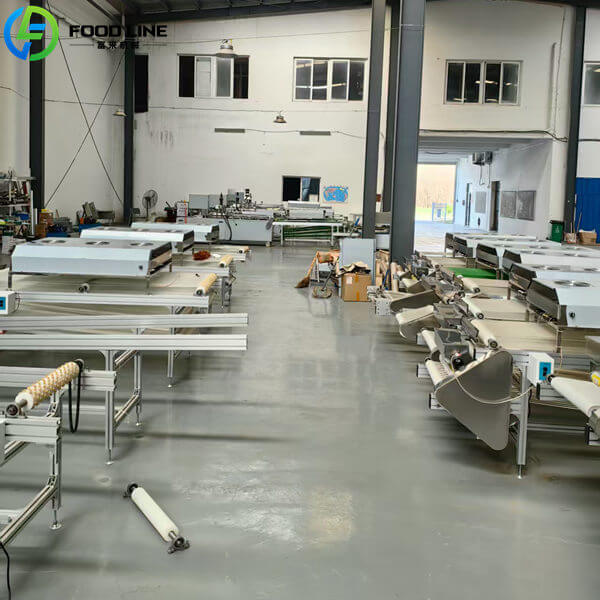
Foodline is a manufacturer of food processing machinery and vending machines based in Henan, China. The company designs, manufactures, and sells a wide range of food equipment, including industrial tortilla maker machines, automatic patty machines, dorayaki production equipment, vacuum packaging machines, and other related machinery.
Our equipment has been exported to numerous countries, including the United States, France, Italy, Poland, South Africa, Kenya, the Philippines, Saudi Arabia, and Australia.
Foodline’s business extends beyond individual machines. We also develop complete tortilla production lines tailored to the specific needs of different factories. These lines encompass dough preparation units, forming machines, baking equipment, cooling conveyors, and auxiliary packaging equipment. Our diverse product portfolio caters to the needs of both growing enterprises and large-scale food manufacturing plants.
If you are planning a new tortilla production project or looking to upgrade existing equipment, contact Foodline to discuss machine options, production capacity, and layout requirements.
We use cookies to ensure that we give you the best experience on our website. If you continue to use this site we will assume that you are happy with it.