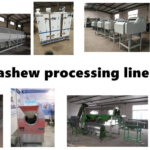
Cashews are popular around the world, and demand keeps growing. Starting a cashew processing business can be a smart move if you are looking for a business with good profit potential. Process raw cashews into cashew kernels for use in snacks, baked goods, and other food products. This guide will walk you through the key steps to starting a cashew nuts processing business.
Why the Cashew Processing Business Offers Good Opportunities
Investing in cashew production and processing business have many favorable factors.
Global demand for cashew kernels is constantly growing. With increasing health consciousness, cashews perfectly align with current snack consumption trends.
The market demand for value-added products such as cashew butter, cashew milk, and flavored roasted nuts is also growing. If you process cashews, you don’t have to limit yourself to selling a single type of product.
Some countries are promoting more local processing rather than exporting raw cashews.
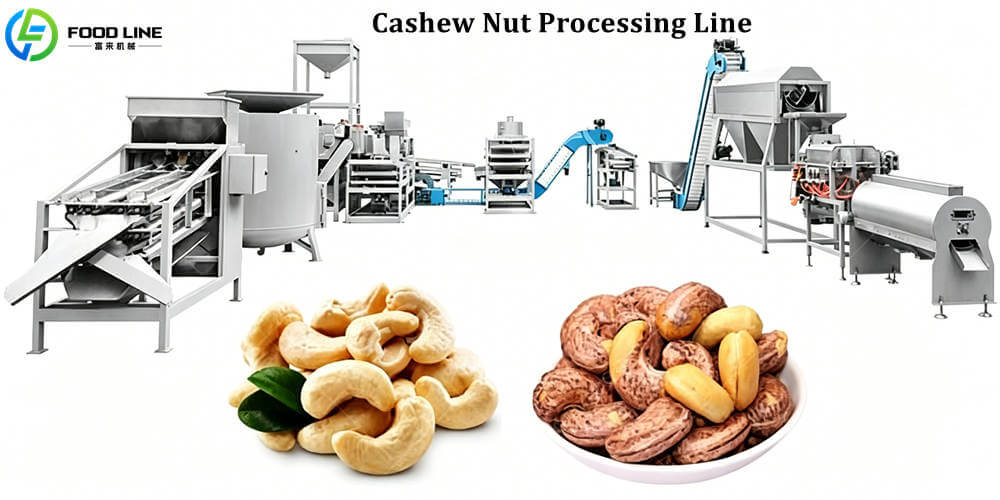
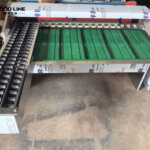
300kg per hour capacity cashew kernel peeling line
Start Your Profitable Cashew Processing Business
Step 1: Choose Your Processing Scale
Before purchasing any equipment, determine the scale of your desired operation. This choice will impact your costs, labor requirements, and target market.
Small plants process 1 to 2 tons of raw cashews per day. These plants have lower start-up costs and are suitable for local markets or specialty products. You may need to rely more heavily on manual labor. Many small plants serve their local area or supply local snack companies.
Large industrial plants can process 5 to 10 tons or more per day. These plants use automated equipment for shelling, grading, and packaging. They require more capital investment but can be exported to international markets and compete in sales volume. If you plan to sell to supermarkets in Europe or North America, you may need a larger scale.
If you are new to the cashew processing industry, it is recommended to start small. As you build customer relationships and deepen your understanding of the business, you can gradually scale up.
Step 2: Understanding the Processing Steps
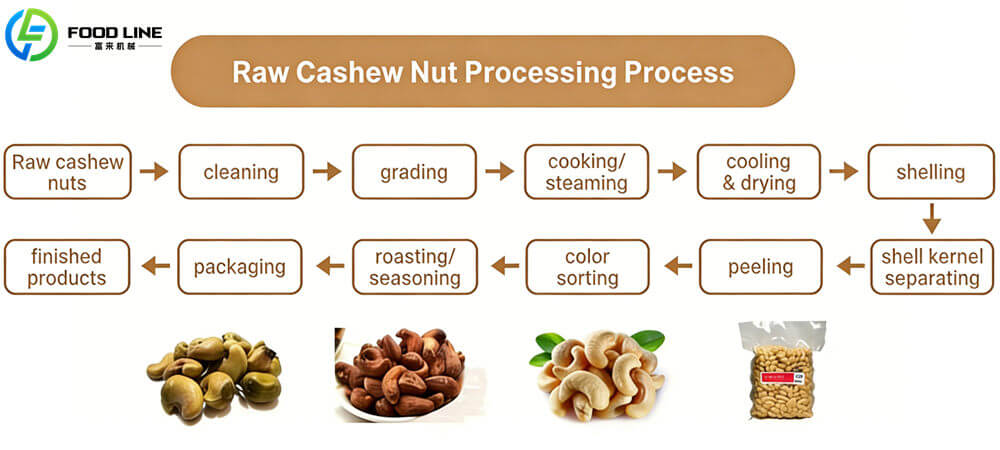
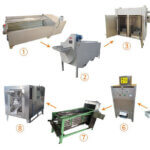
Cashew processing involves multiple stages. Each stage affects the quality and price of the final product.
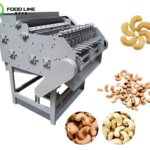
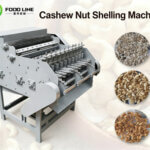
Shelling: Removing the hard outer shell. This step requires extra care because the shell contains liquids that can irritate the skin. Automatic shelling machines are safer and faster than manual shelling.
Drying: Reducing the moisture content of the cashews. To prevent mold and spoilage, the moisture content of cashew kernels should be below 5%.
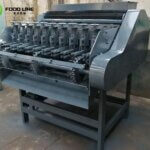
Peeling: Removing the thin, brown outer skin from the nut kernel. large-scale production can use mechanical peeling machines.
Grading: Classifying the kernels according to size, color, and quality. Grades such as W180, W210, W240, and W320 are standard grades in global trade. Understanding these grades helps you price your products appropriately.
Roasting and Flavoring: These can increase product value. You can sell plain nuts or offer nuts in different flavors such as roasted, salted, honeyed, or spicy. Value-added products can increase your revenue by 30% to 50% compared to plain nuts.
Packaging: Crucial for shelf life. Nitrogen-filled bags can extend the shelf life of nuts. Retail packaging needs to be attractively designed.
raw cashew nut processing
Step 3: Preparing Equipment and Facilities
Your cashew processing business needs a reasonable layout and equipment.
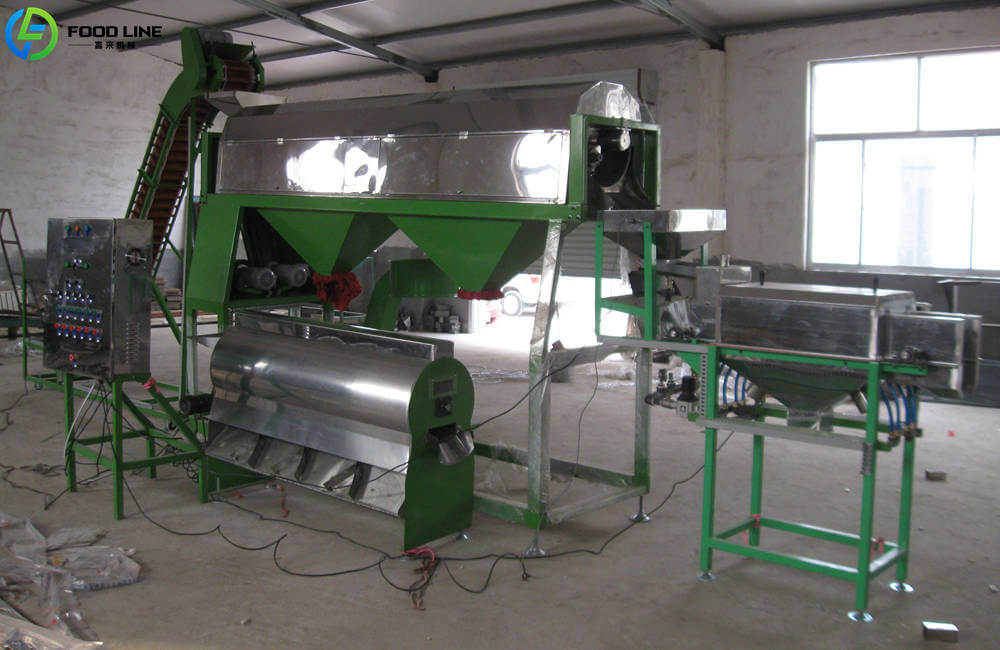
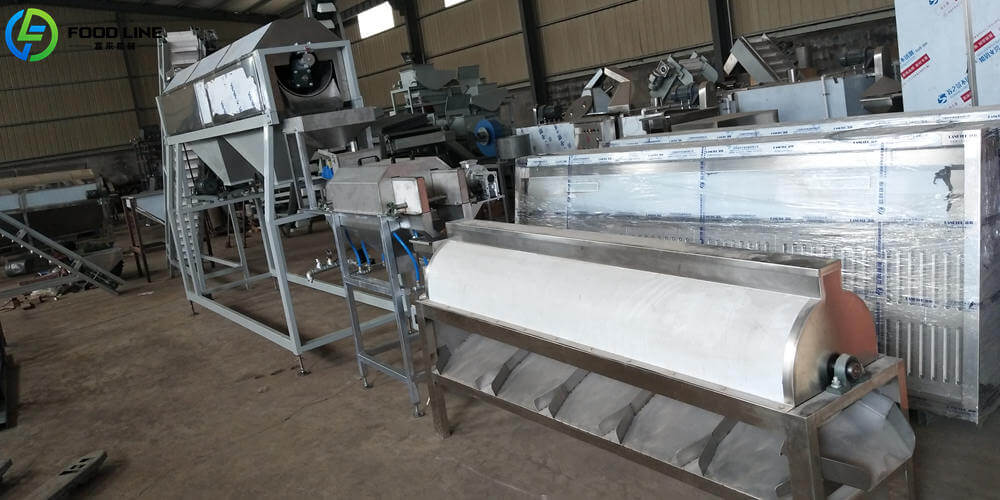
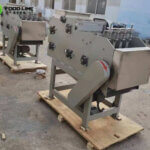
Key equipment includes grading machines, shelling machines, peeling machines, roasting machines, and packaging machines. You can purchase individual machines or complete production lines. Some suppliers offer equipment training.
Your workshop layout should follow a logical workflow. Raw nuts enter from one end, proceed through processing steps in sequence, and finished products exit from the other end. Separate clean and contaminated areas to prevent cross-contamination.
Utility requirements are also important. You will need a stable power supply, a clean water source, and good ventilation. If your area experiences frequent power outages, it is worth considering backup power.
Step 4: Financial Planning and Funding
Startup costs vary by size. Small plants may require $50,000 to $100,000 in equipment and installation costs. Larger industrial facilities require significantly more capital.
Costs include raw nuts, labor, utilities, packaging materials, and shipping. Raw nuts are your largest expense, so price fluctuations will affect your profits. Please set aside some cash reserves to cope with a surge in nut prices.
There are several financing options available. Some governments offer support programs for agricultural businesses. Commercial bank loans are another option, but you may need collateral. Some processors partner with impact investors focused on agriculture.
If you plan to export, please factor in shipping costs and delivery times.
Step 5: Promote Your Cashew Products
Once your cashew products are finished, you need to sell them. Start with your local market. Contact grocery stores, snack shops, and cafes. Offer samples so customers can try your cashews. Many small businesses have succeeded by selling their products at local farmers’ markets or fairs.
You can also sell online. Use e-commerce platforms like Amazon or Etsy. Post product photos and share information about your cashew processing business. Social media is another powerful tool. Post videos of the processing steps or customer reviews to increase awareness.
Build good relationships with your customers. Solicit feedback and use it to improve your products. If customers like your cashews, they will recommend you to others. You can also offer discounts for bulk orders to attract larger clients such as restaurants or food manufacturers.
Foodline Machinery – Your Partner in Cashew Processing
Foodline Machinery is a cashew processing machinery manufacturer with many years of experience in the food equipment industry. From automatic shelling machines with a shelling rate of up to 95% to pneumatic peeling equipment that removes the seed coat without damaging the kernel, Foodline provides complete production line solutions for businesses of all sizes. Our team provides full support services, including plant layout advice, installation guidance, and operator training.
If you are looking for a reliable cashew processing equipment supplier, contact Foodline. product experts can provide professional advice based on your specific needs, and help you find the ideal equipment that matches your production goals and budget. Contact us today to start your cashew processing business building journey.
We use cookies to ensure that we give you the best experience on our website. If you continue to use this site we will assume that you are happy with it.