Building a French fries factory is a complex project. It needs clear planning, reliable equipment, and a good understanding of the production process. From early design to final production, each step can affect product quality, efficiency, and long-term cost. This guide explains the whole process in a clear and practical way.
Step 1: Set Clear Production Goals
Before starting work, the factory owner should set clear goals. Daily output, target market, and product type will shape the factory design. Focus on making frozen fries for export, or serve local restaurant chains.
Production capacity decides the size of the French fries production line and how much automation is used. Making a clear plan at this stage helps avoid costly changes later.
Step 2: Site Selection and Factory Layout
Location plays a key part in building a French fries factory. Easy access to potato supply, steady water supply, and reliable electricity are all important. Transport links also affect the cost of moving raw materials and finished products.
The factory layout should follow the production flow. Raw potatoes enter on one side of the plant, and finished fries leave on the other. This reduces cross-traffic and makes hygiene control easier. A well-planned layout also leaves room for future expansion.
Step 3: Process Design for a French Fries Processing Line
In a french fries factory, work follows a usual series of stages:
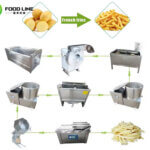
Receiving and storing potatoes → washing and peeling → cutting and sorting → blanching and drying → frying and removing oil → freezing and packaging
Each step needs reliable machines that can run without stopping. When setting up the line, it is important to find a balance between fast work, good product quality, and not using too much energy.
Step 4: Equipment Selection and Automation
Picking the right equipment is important. Stainless steel machines is common in French fry lines because of its cleanliness and strength. Automation can cut the need for labor and keep product quality steady.
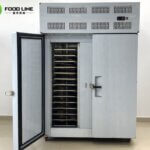
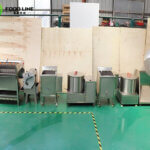
Key machines in the potato processing plant include potato washer and peeler, potato cutter, fryer, freezer, and packing system. Equipment should match the planned production capacity and local operating conditions.
Step 5: Utilities and Support Systems
Stable operation of a French fries factory is inseparable from utilities. A water treatment system supports washing and blanching. Steam and heating systems power the frying machines and blanching machines. Refrigeration keeps frozen products steady before shipping.
Systems for wastewater and waste handling are also important. Plants must follow environmental rules and cut waste. Good planning at this stage helps avoid problems with compliance later.
Step 6: Food Safety and Hygiene Design
Food safety starts with how the factory is built. Flat floors, good drainage, and controlled airflow can lower the risk of contamination. Machine placement should allow easy cleaning and inspection.
Many potato processing factories follow food safety systems which require clear control points throughout the French fry production line. Planning ahead can make certification and audits simpler.
Step 7: Staffing and Training
Skilled workers are still needed even with automated production. Operators should know how to run the machines, follow hygiene rules, and do basic maintenance. Training should start before the plant begins production.
Clear work instructions cut mistakes and keep output steady. Well-trained staff also extend machine life and raise overall efficiency.
Step 8: Testing and Trial Production
Before full production, the French fries factory runs trial batches. These runs help adjust cut size, frying time, oil temperature, and freezing level.
Trial runs also show bottlenecks in the line. Sorting these out early raises how well the line works over time and keeps product quality even.
Step 9: Full Production and Ongoing Improvement
Once the plant runs at full scale, regular checks become part of daily work. Data on output, energy use, and downtime help make better decisions.
Many modern French fry factories keep making improvements. As demand grows, they upgrade machines, fine-tune processes, and add more automation.
A French fries making factory improves gradually: upgrade equipment, refine processes, and add automation as demand grows.
We use cookies to ensure that we give you the best experience on our website. If you continue to use this site we will assume that you are happy with it.