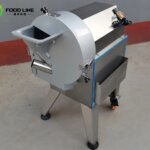
Choosing the right equipment material is crucial when operating a French fries processing line. Stainless steel has become the industry standard because it better meets the demands for hygiene, durability, and efficiency than any other material. If your factory aims at producing high-quality French fries, stainless steel is indispensable.
Hygiene Comes First
Cleanliness is important in any food production process. Stainless steel does not react with food or cleaning agents. So the French fries can remain safe and uncontaminated. The smooth surface prevents food residue and grease from adhering, and cleaning is faster and more efficient. On busy production lines, saved cleaning time can increase efficiency and reduce the risk of bacterial growth.
Utilizing stainless steel also helps factories meet stringent food safety standards. Many health inspections focus on the type of material used for machinery. Choosing stainless steel will give your factory an advantage in terms of compliance and hygiene certifications.
Durability Under Tough Conditions
French fry production is a demanding process. Machines in the French fries processing line have to work with hot oil, moisture, high temperatures, and run all the time. Under these conditions, metals such as aluminum or common steel will rust, bend, or wear. Stainless steel can withstand high temperatures, humidity, and frequent use and doesn’t its strength or shape.
The durability of stainless steel reduces maintenance needs and prevents unexpected downtime. For factories that run big production lines, stainless steel keeps things working smoothly day after day. The machines stay in use for longer, which cuts down the cost of replacing parts and fixing them.
Resistance to Corrosion and Staining
Salt, oil, and cleaning chemicals can harm most metals over time. Stainless steel does not rust easily and keeps stains away, so machines can still work well and look new after many years of daily use. This kind of corrosion resistance and stain resistance is very important for frying equipment, conveyor belts, and tanks, because they often touch oil and salt.
For factory managers, this means fewer stoppages, less unplanned downtime, and a longer life for costly machines. It also helps keep product quality steady, since the equipment stays in good condition.
Cost-Effective in the Long Run
Some factory owners may think twice because stainless steel costs more at first. But in the long run, it saves money. Maintenance needs go down, repairs happen less often, and the machines last longer, so running costs become lower. With less downtime and smoother production, total spending goes down.
Factories that make French fries every day get the most benefit from stainless steel. The investment pays off by keeping output steady and cutting unexpected expenses.
Safety and Environmental Benefits
Stainless steel is safe for workers. It does not give off harmful substances when it touches hot surfaces or cleaning agents. This makes the workplace safer for people in the factory.
Also, stainless steel can be fully recycled. Using recyclable material fits with environmental rules and shows that a company takes responsibility. For factories that care about both safety and long-term sustainability, stainless steel is a good choice.
Practical Use of Stainless Steel in a French Fries Processing Line
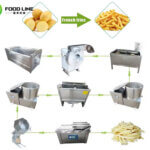
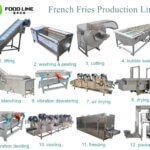
Stainless steel is used in nearly every step of making French fries:
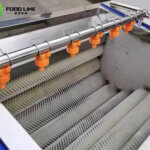
Peeling machines: They touch water and potatoes, so a surface that does not rust is needed.
Blanching and frying machines: High heat and oil call for metal that is strong, lasts long, and will not react with food.
Cutting and slicing machines: The blade holders and parts that touch food must resist corrosion and be easy to clean.
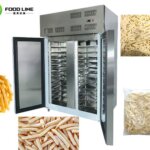
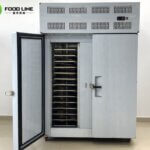
Freezing and packaging machines: Stable performance in low temperature and a smooth surface help stop food from sticking and lower the risk of bacteria growth.
We use cookies to ensure that we give you the best experience on our website. If you continue to use this site we will assume that you are happy with it.