For many entrepreneurs, one of the biggest decisions when starting a food business is choosing a location: custom food trailers or brick-and-mortar restaurants. Both options allow entrepreneurs to sell food and build a brand. They also differ in terms of initial investment, flexibility, operating costs, and risk mitigation. Knowing differences in between a food trailer and a traditional restaurant can help you choose the business model to best suit your budget and goals.
A brick-and-mortar restaurant requires large initial investment. It includes renting or purchasing commercial space, hygienic renovations, furniture, kitchen equipment, and utilities deposits. On average, opening a small traditional restaurant costs between $100,000 and $500,000, depending on location and size. For new entrepreneurs, this can be daunting because they often need loans or to find investors.
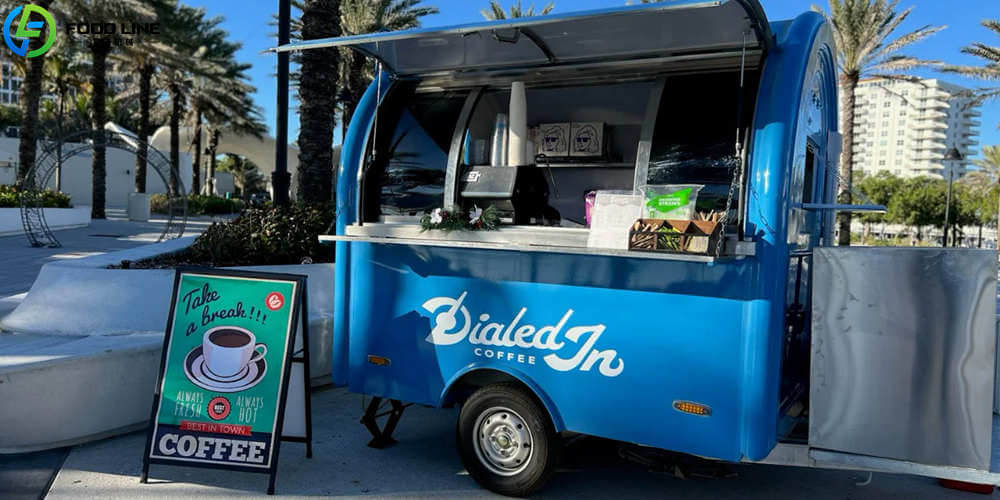
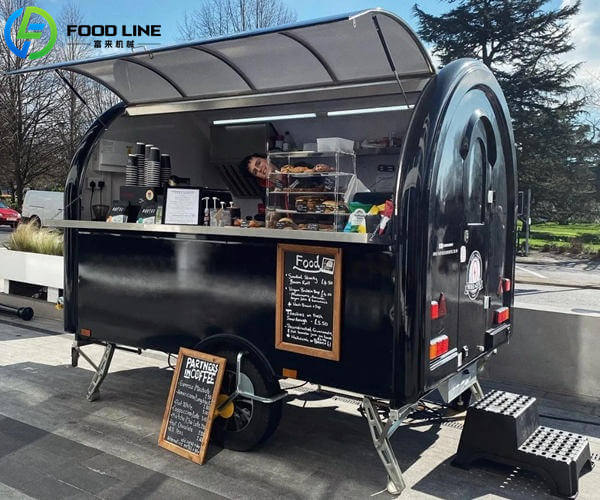
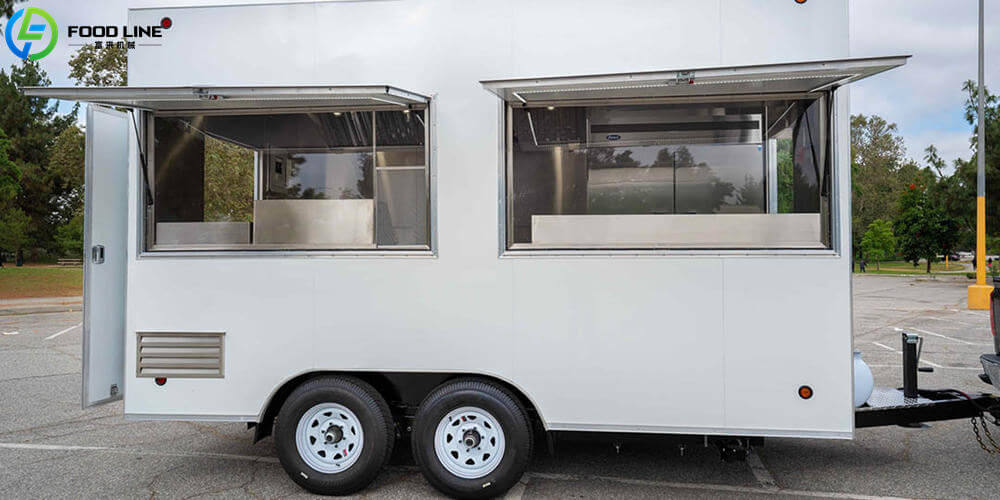
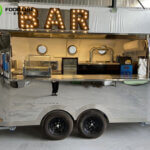
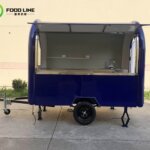
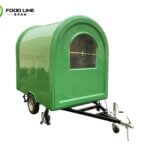
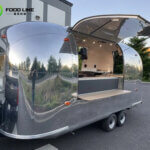
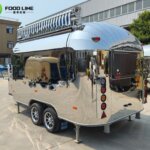
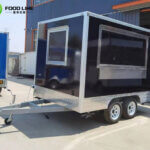
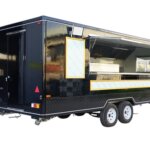
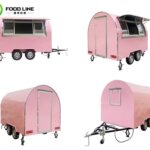
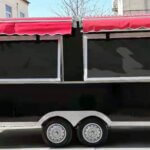
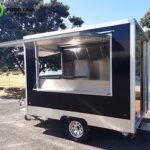
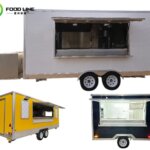
Customized food trailer, on the other hand, is an affordable way to start a business. It can be designed to fit your menu (e.g., a grill for grilling, an espresso machine for making coffee) and typically cost between $15,000 and $50,000. The low cost means you don’t have to take on heavy debt, and can better control your business. You don’t risk your life savings to test your business idea. Customization also allows you to pay only for the features you need, and thus avoid the wasteful spending common in brick-and-mortar store renovations.
2. Flexibility
Tailor-Made Food Trailers Help You Follow Market Demand
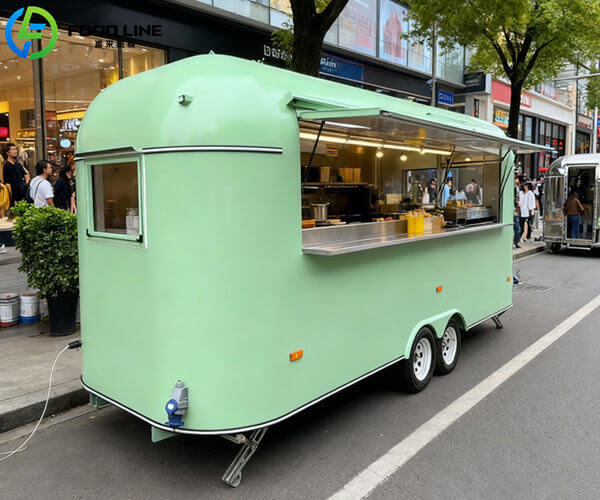
Compared to physical restaurants, one of the biggest advantages of custom food trailers is the mobility. You can set up your food trailer in high-traffic locations, such as weekend farmers markets, music festivals, office parks during lunchtime, and neighborhoods with limited dining options. You can test different markets to find the most profitable locations, and adjust your operating hours as needed.
Brick-and-mortar restaurants operate in fixed locations. This will become a major disadvantage when the customer flow decreases, rents rise, or the local population structure changes. You can only continue to use the space you have invested in, and usually it requires a high cost for renovation to rebrand or adjust the menu. However, a custom food truck trailer can enable you to transform quickly, whether you want to add new dishes that require additional meal preparation space, or want to move to a better location without changing the core equipment.
design your favorite food trailer
eye catching coffee ice cream trailer
3. Operating Costs
Custom Food Trailers Reduce Long-Term Expenses
Ongoing operating costs are a crucial consideration for new entrepreneurs. Brick-and-mortar restaurants have numerous recurring expenses, like high rent, electricity & water & gas fees, property taxes, insurance and maintenance costs. It also leads to increased labor costs because you need more staff to manage the dining area and kitchen operations.
The mobile kitchen trailer offers lower operating costs. Its rent is low and utilities are much cheaper due to the smaller, more efficient operating space. Its maintenance is also simpler. You don’t have to maintain a large building, just focus on a mobile unit. You can have more revenue available for business growth rather than paying operating costs.
4. Risk Mitigation
Customized Food Trailers Reduce Startup Risk
Starting a business inherently involves risks, but a small catering trailer can help new entrepreneurs mitigate these risks. You can test your menu and brand without signing long-term lease contracts or making huge investments. You can also adjust the menu, rebrand your trailer, or relocate. All of these can be done without incurring huge expenses. More importantly, custom food trailers allows you to test your business model on a small scale before considering expansion.
Physical restaurants carry higher risks due to their fixed costs and long-term commitments. If your business falters, terminating the lease or selling the store can be both difficult and costly. Many new restaurant owners fail within the first year, often due to unmanageable debts or poor location choices.
Custom built food trailers are an ideal choice for most new entrepreneurs. In some cases, a physical restaurant might be more suitable. If your food business relies on sit-down dining, or requires specialized equipment that cannot be stored in a mobile food trailer, a fixed storefront might be indispensable. Additionally, if you have sufficient funds and a mature business model, a brick-and-mortar restaurant can help you scale.
Custom Food TrailersAre Better for New Entrepreneurs
If you’re looking to start your food business with minimal risk, lower costs, and maximum flexibility, the food vending trailer is clearly a better option. It’s a more cost-effective way to get started in the food industry, allowing you to adapt to market demands, reduce operating costs, and help you build a unique brand. It also mitigates the risks common to new restaurants.
If you’re looking to start with a food trailer, contact Foodline to get a tailor-made mobile kitchen. Start small, test your business model, and grow at your own pace. WhatsApp/Tel/WeChat: +86 17837195753
We use cookies to ensure that we give you the best experience on our website. If you continue to use this site we will assume that you are happy with it.